
Where Healing Begins
Earthquake survivors in the Philippines, families evacuating a Colorado wildfire, Ukrainians weary after four years of war, and Florida homeowners rebuilding after a hurricane. How do you approach helping all these people in vastly different situations process what they have experienced? As much as we want to meet obvious physical needs or the spiritual needs that are so important, sometimes starting with emotional needs gains us access to a community to build relationships and trust so we can share gospel hope later.
For ReachGlobal Crisis Response, our answer is trauma care – healing conversations that help people begin to process their experiences and start the healing process. It’s asking powerful questions to draw out and organize a person’s story, and then listening well so a person feels heard and cared for as he or she shares. Just by being able to share what happened in a safe environment and saying out loud how you feel, the process of healing from a traumatic experience begins. This is our starting tool to help people, and we can utilize other tools and resources as the relationship continues, including Bible studies that were written just for this purpose.
Now the examples we cited in the beginning are just a few of the ways we have used trauma care so far this year in Crisis Response. But hopefully most Americans will never find themselves living in a community ravaged by fire, flood or war. So how is this useful to EFCA churches that don’t anticipate a natural disaster in the next year or two?
The principles that help a person process an earthquake experience in the Philippines are the same for an American processing a life-changing medical diagnosis in Texas or the loss of a loved one in New York. Our culture changes a lot of things, but in this area God’s design for humanity shines consistent across the world. Additionally, these big personal crises happen on top of whatever other daily stresses and heartaches a person was already carrying. We all encounter people every day who are hurting and who could benefit from having someone to help them process their feelings. In fact, churches are full of heartbroken people who still answer every “How are you?” with the expected, “I’m good.”
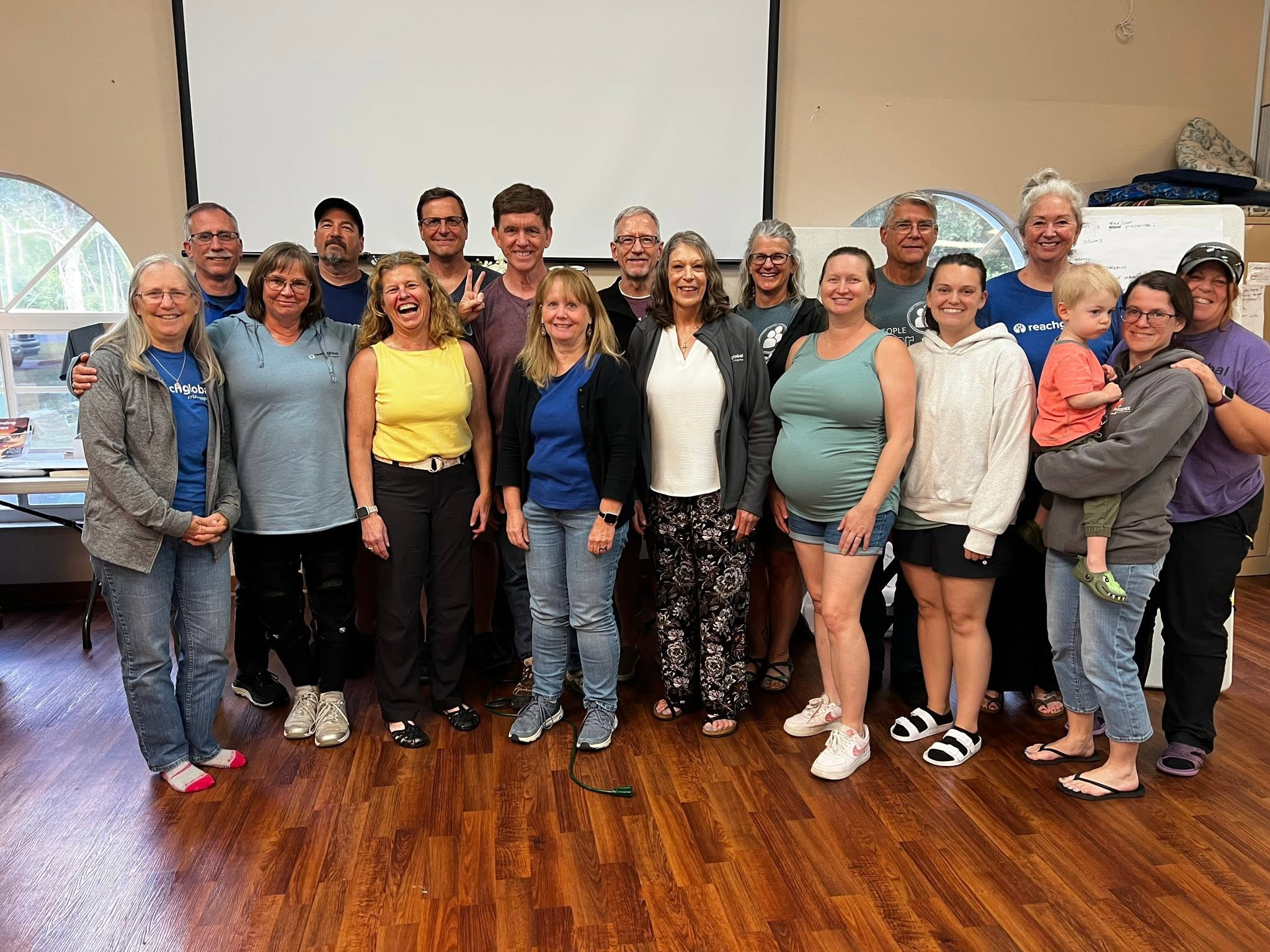
We want to equip more churches with the tools they need to engage with the day-to-day emotional needs of their communities, whether there’s an on-going crisis or the church just wants to develop their members in this area. That’s why this year we have specifically set aside time and effort to grow our trauma care team – staff who are experienced in how to have these conversations and are trained to lead these trainings for churches. Our vision is to have dozens of Crisis Response staff who can enter a new crisis with this as their primary access ministry. If you are interested in learning more about this resource, or you would like to schedule a trauma care training for your church, please email crisisresponse@efca.org for more information.
Send a Response
Share your thoughts with the author.