

Reflections on My Dad and the Church
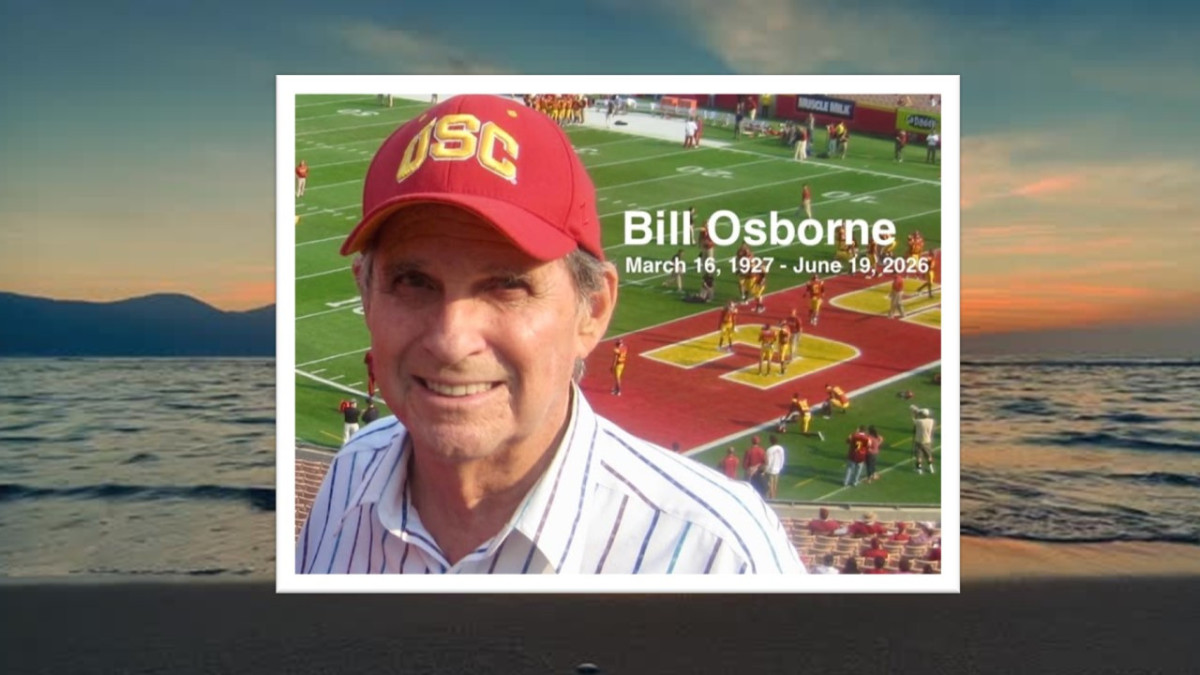
My dad, Bill Osborne, passed away on June 19th, 2026, at the age of 99. I have been trying to think about a topic for this month’s article, but my mind kept going back to my dad.
Life expectancy for men born in 1927 was about 65 years – dad beat that by 34 years. Other than my mom, there will be none of his peers at his celebration of life – peers who knew him in years past and appreciated his impact on their lives are already deceased. If I remember correctly, my mom and dad outlived three adult Sunday School classes at their church.
My dad was a regular guy – and that’s the point of this article – the impact and importance of regular guys in the church. I fear we leaders too often look for exceptionally gifted people to engage in and lead ministries and look right past regular people that can be, and typically are, the heart of soul of the ministry of the local church.
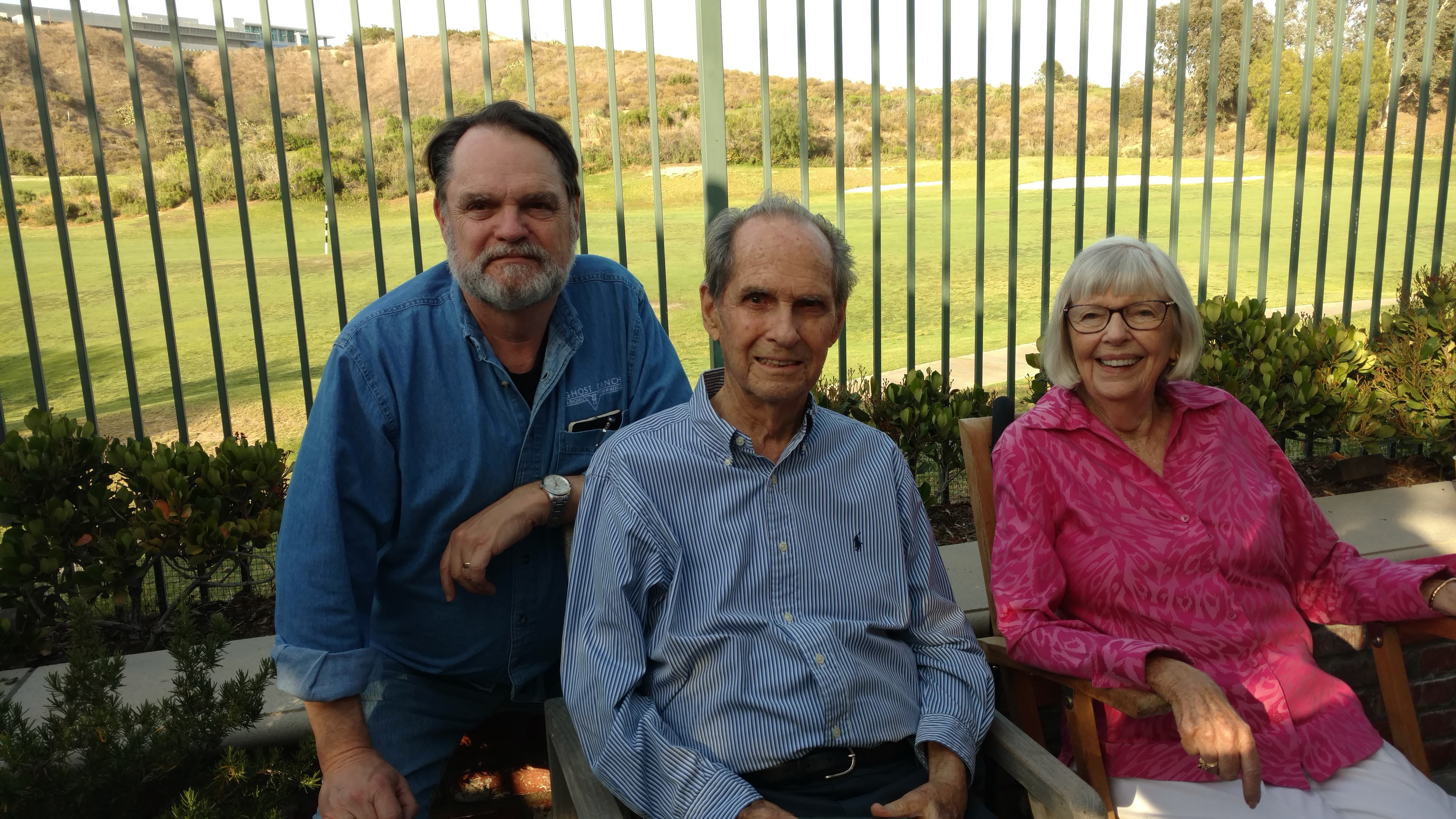
During my lifetime, I remember my dad being engaged in all kinds of ministries in the churches we attended while I was growing up.
I recall him driving a church bus full of students from church to the beach and imagining myself growing up to be a bus driver.
I recall him singing in gospel quartets when that was the thing and imagining myself growing up and singing tenor in a gospel quartet.
I recall him leading the singing on occasion during the Sunday evening service and imagining myself growing up and doing the same.
I recall him singing in the church choir and imagining myself doing so and even, on occasion, singing a solo in the choir.
I recall him serving as the children’s Sunday School superintendent and imagining myself doing children’s Sunday School while sitting on the family room carpet and sorting out Sunday School quarterlies and curriculum.
I recall him serving for many years as a church board member and imagined myself growing up to be a respected member of the church who the members appointed to a leadership role.
I grew up.
And I did all those things. And more. Except my voice changed and singing tenor was out of the question.
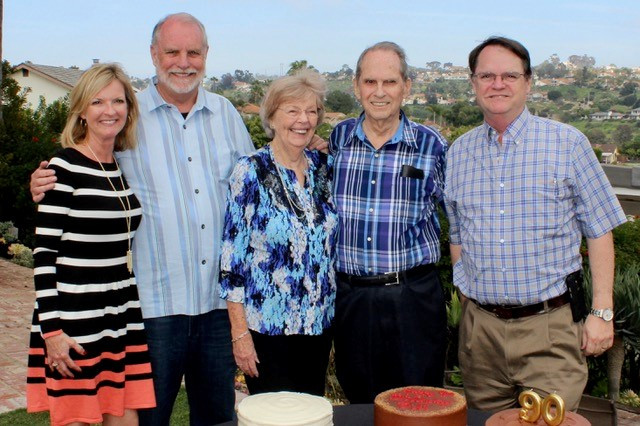
My mom and dad were faithful members of the churches we attended. They tithed and they served as they could. They raised three children. My brother became a pastor and pastored a dynamic and growing church for 40 years. My sister faithfully served in churches she attended for decades, specifically mentoring women, serving women in ministry, and serving the EFCA West district’s churches with her gifts. I ended up finishing a 38-year career in policing and becoming a member of the EFCA West district staff for the past 13 years.
Where did all this come from? The example of godly parents who quietly and effectively served their family, their Lord, and their church. You probably never heard of or met my dad, but most of the readers of this article have been served by or know his living legacy – his three children.
Too often I find myself easily enamored by well-known high-achievers and less enthralled with the regular people that make our churches go – those who are quiet, steady, faithful, and humble servants.
- Who are those people in the church where you serve?
- When was the last time we thoughtfully thanked them for their service and the impact of their lives for the gospel?
- How can we support them?
- How can we help them transition to age and ability specific roles of ministry in our churches when the time comes in their later years of life?
- How do we show them respect even as we covet and focus upon “reaching young families”?
- How do we keep them in the game until their Lord calls them home?
These things are something to talk about that seldom get talked about.
I am thankful that in his declining last months I was able to tell my dad how much I loved him, how much I appreciated all the experiences that he and I had together, and how he supported me in whatever I endeavored to do rather than trying to put me into the confines of a box of his hopes for me.
Let’s get into the habit of thanking the extraordinary ordinary people in our churches for being who God created them to be and living faithful lives before it’s too late. It’s good for them, and it’s good for us to do so, too. You will feel better when you do. Gratitude is its own reward.
Thanks, Dad.
Let us know if we can help and how your conversation goes. Contact Bob Osborne by e-mail at bob.osborne@efca.org.
This is one of a series of articles intended to facilitate and guide church leaders’ conversations about significant issues that often are not talked about among pastors, boards, and church leadership teams. Visit the EFCA West website to see prior Something to Talk About articles.
Send a Response
Share your thoughts with the author.