A Short History of the EFCA Board of Directors
The board has a unique tradition of being led by pastors and laity.
Elected at the biennial EFCA national conference by conference delegates, the EFCA board of directors meet four times a year, guide the direction, vision and spiritual oversight of the denomination, affirm the budget and provide accountability to the EFCA president. But what’s the history behind this significant group of leaders?
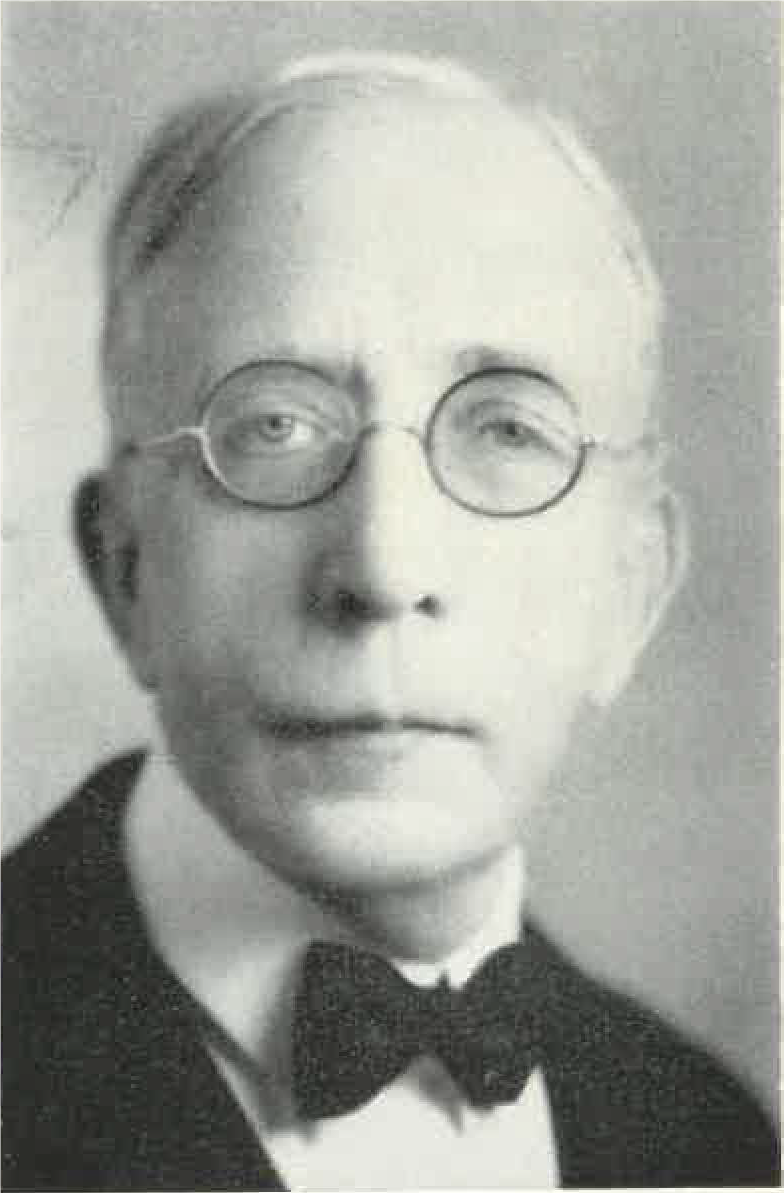
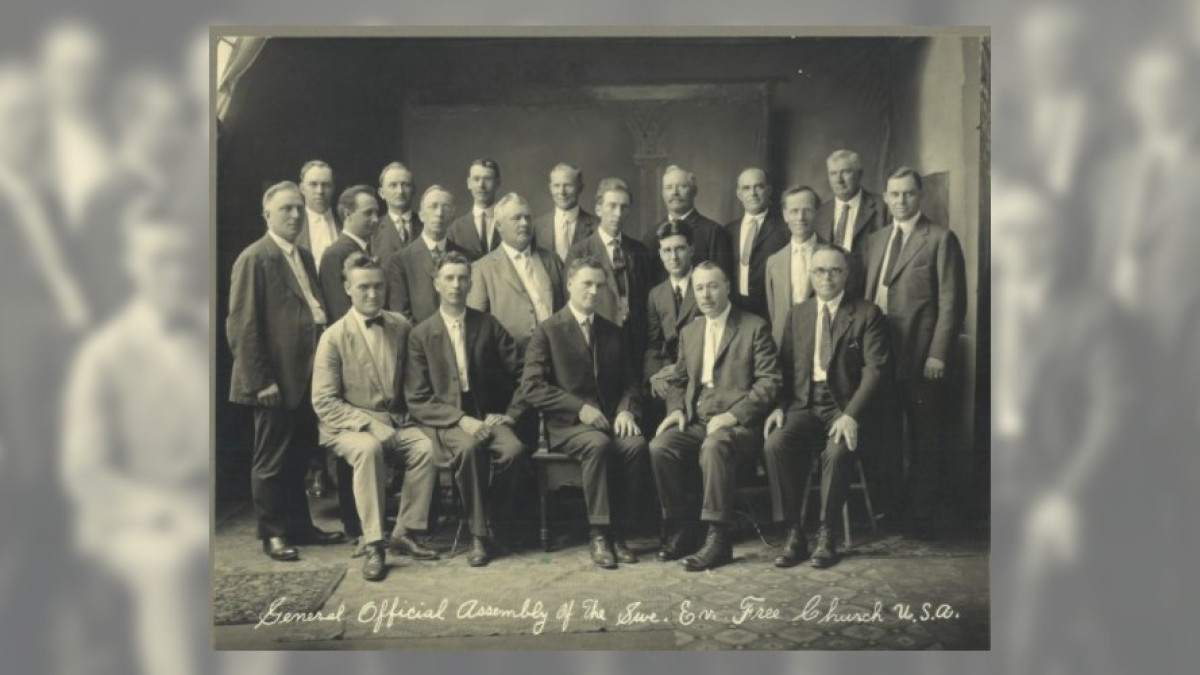
Early in the story of both the Swedish and the Norwegian/Danish Free Churches there was no single official leader. It was “leadership by committee” and the members were often ordained pastors. By 1896, the first superintendent of mission was chosen – P.J. Elmquist, in the Swedish group. These biennial meetings involved ministers talking about topics of theology and practical care for the churches. It wasn’t until 1902 when the first layman was elected to the executive board––Peter Benson––as treasurer.
Gradually more laity were added to the board. In 1923, at least two laymen (C.A. Johnson & C.B. Hedstrom) joined. In 1984––the EFCA’s centennial year––Gladys Seashore, author of at least six books, effective speaker and wife of North Central District superintendent, Mervin Seashore, was elected as the first female member of the EFCA board of directors. Many women have served on the board since.
The Norwegian/Danish bodies used the term “board of trustees.” Their board included some laymen and didn’t choose a president until 1923.
Now in 2025, according to EFCA Bylaws, the board is composed of at least one-third credentialed lead or senior pastors and at least one-third lay-persons, reflecting our values of a denomination of leadership by both pastors and laity.
Send a Response
Share your thoughts with the author.