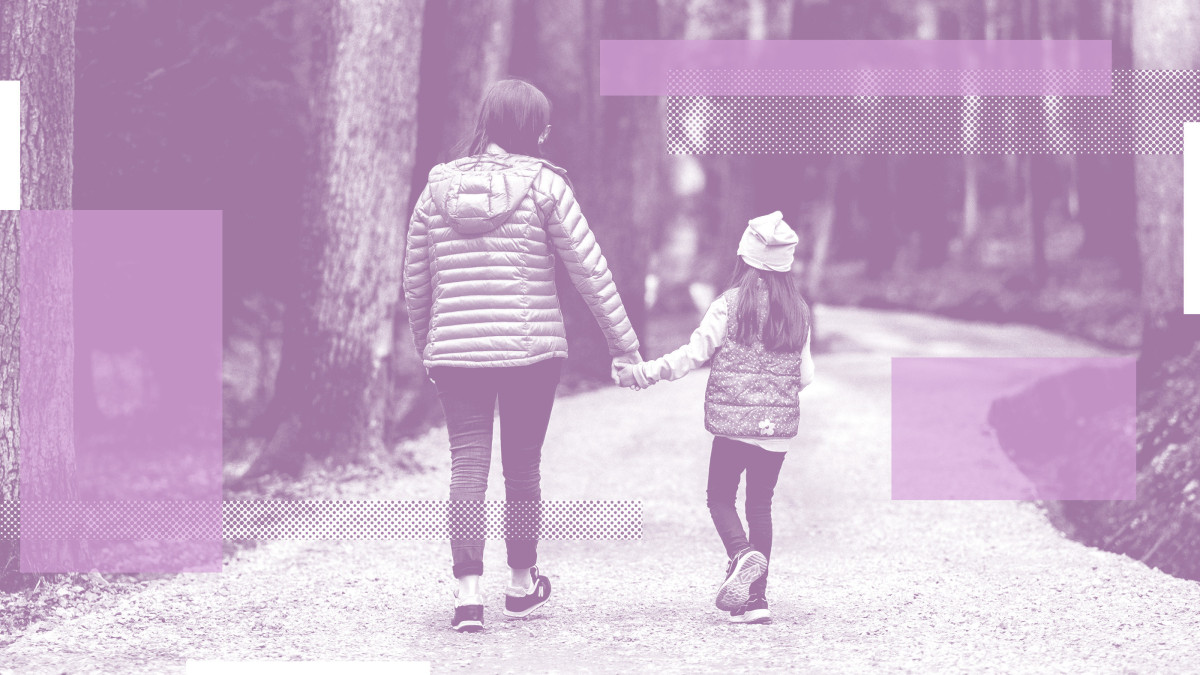
Raising Autistic Children in the Church
An EFCA missionary reflects on her family’s journey of faith and belonging in the Church.
As the daughter of a pastor, church was always my second home. As a little girl, I sat in a wooden pew with various doting church members while my mother played the piano and my father led singing before preaching the sermon. For several years, church was my actual home, when our house church met in our living room. As a teen, much of my free time was spent volunteering in children’s and youth ministries.
When I became a mother, I assumed my children would find a home at church as well. In the early years, it was hard, of course, but everyone has a hard time wrestling toddlers into car seats and handing babies over the nursery counter. Except, for me, it didn’t get easier.
During the church service, I could never let my eyes stray far from the electronic number display that would inevitably call me to come pick up a struggling child from the nursery. When they grew old enough to sit in the back pews of the church with a bag of quiet activities to while away the sermon, I sat poised to whisk a child out the back door of the sanctuary as soon as the musicians got up to play, because the music consistently triggered an outburst of tears.
When my overwhelmed child escaped from Sunday school class, the teacher who called security had once been my husband’s childhood Sunday school teacher, and the security team member who responded was a friend from Bible study. This was our community, but it was painfully obvious that my children did not feel at home.
Inclusion in the family of God
By the time we discovered why moving through our world was so difficult for our children, we had moved overseas as missionaries, first to Romania where we lived for nine years, and then to Hungary where we have spent the past seven. Finding the resources and evaluations we needed was difficult, so by the time they received autism diagnoses, we felt little surprise but great relief. Finally, an answer!
How can we make Christian spaces the most inclusive spaces for people with disabilities, because that is the heart of God?
But knowing why doesn’t automatically make life easier; it just explains why it is hard. Autistic toddlers grow into autistic children, teens and adults. They don’t outgrow their differences and disabilities; they just learn strategies to navigate the challenges.
As the mother of autistic children, I think a lot about how inclusion looks in the family of God. I am hyper-aware of the ways our larger society is designed and structured for the comfort and convenience of the neurotypical, able-bodied majority. Awareness and advocacy are growing, but living with a disability in this world is difficult, and the vast majority of that difficulty is borne by disabled people themselves.
The question at the back of my mind is always: how can we, as people included and beloved by God, lift that burden and carry it together? How can we make Christian spaces the most inclusive spaces for people with disabilities, because that is the heart of God? Jesus frequently demonstrated this in his life and teaching.
In Luke 14, Jesus goes to a dinner party at the house of a prominent Pharisee. The other Pharisees in attendance watch him like hawks for any misstep they can exploit and snub him with stony silence when he heals a man on the Sabbath. Their attention is divided, however, as they simultaneously jockey for the best seats at the table—because, in their minds, some people are more worthy than others, and they intend to be the worthiest.
After calling out their posturing, Jesus turns to his host and says, “When you give a luncheon or dinner, do not invite your friends, your brothers or sisters, your relatives, or your rich neighbors; if you do, they may invite you back and so you will be repaid. But when you give a banquet, invite the poor, the crippled, the lame, the blind, and you will be blessed. Although they cannot repay you, you will be repaid at the resurrection of the righteous.”
Seeing the neurodivergent through the eyes of Christ
Through my years of raising autistic children, I’ve seen churches grow in awareness and introduce accommodations like sensory rooms, sensory kits and buddy systems for their neurodivergent children—living out the inclusion that Jesus specifically taught—and I appreciate this so much! But in the shadow of that appreciation lurks a nagging guilt. Because no matter how many adjustments a church makes and how much support we access, attendance is still difficult for families with neurodivergent children, and sometimes for those around us. No amount of preparation, practice or tools will make the social demands, bright lights and loud sounds easy to navigate, only more manageable.
A posture of compassion instead of aversion and a whispered prayer in the place of whispered judgment takes the weight of your unease off the shoulders of a child or family already carrying a heavy load.
They say you shouldn’t judge a fish by how it climbs a tree, and some days church can feel like a tree-climbing class. The bark will scrape off scales; gills will gasp for water; and no amount of effort or positive thinking will escape the inexorable pull of gravity. This sort of discomfort is contagious; we want to relieve it, and if we don’t know how, we often search for the nearest exit.
My encouragement when you experience this is to view struggling children and adults as Christ does. A posture of compassion instead of aversion and a whispered prayer in the place of whispered judgment takes the weight of your unease off the shoulders of a child or family already carrying a heavy load.
In second grade, my child had an attentive teacher who noticed they never prayed aloud in class like the other students. When the teacher asked me about this, I explained to her that prayer for my child felt too personal and too emotional to share publicly. Undeterred, she made a plan to teach my child corporate prayer. She explained this plan to my child and sent them home each day with a notecard to write down ideas for safe, not overwhelming, topics they could pray about out loud in class.
Eventually, equipped with the tools and ideas they needed, my child chose to pray aloud in class. The teacher reported to me how the other students' eyebrows raised and mouths opened in surprise and delight. Through exchanged looks, the whole class quietly celebrated my child's growth in the practice of prayer.
Leading with relationship
Inclusion can be messy and difficult, but, as Jesus shows us time and time again, it is His way.
When we choose curiosity and compassion, we open the door for relationship, which is the first step in true inclusion. Every person is different, and this principle holds true for all people with disabilities and, specifically, autistic children. Even within my own family, we have sensory seekers and sensory avoiders, those who crave novelty and those who thrive on consistency. The gentle hand on the shoulder that might reassure one child would be experienced as pain by another, who only relaxes into a vise-tight hug. The first step in knowing how to help is always found in relationships, which guide all the steps that follow.
Inclusion can be messy and difficult, but, as Jesus shows us time and time again, it is His way. And when our Christian gatherings reflect the diversity of people Christ invites into His kingdom, we all benefit.
Send a Response
Share your thoughts with the author.