The Centennial Year for District Superintendents
How EFCA districts and district superintendents shaped the movement.
From the earliest years of the EFCA, local churches were scattered and isolated. Yet leaders sensed that they needed to work and fellowship together. Today, we use the word “interdependence” and gradually the Swedish churches organized into loose societies. In 1891, the Colorado Mission was formed, the first formally organized district1, merely seven years after the 1884 foundational meeting of the Swedish EFC.
The Norwegian-Danish churches––fewer in number and spread out across the country––set up a Western Evangelical Free Church Association in 1891, and later that year an Eastern EFC Association, which served as districts.
Over the years, more districts were founded, like the Minnesota District Association and California District. Later, leaders merged most of the state associations into regional districts and changed the names to the North Central District, Western District, etc., districts that exist today.
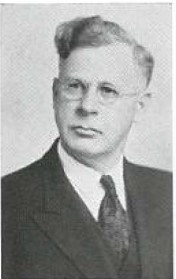
It wasn’t until the 1920s that some districts felt the need for a full-time superintendent to oversee and develop the work. The earliest superintendents were E.H. Lindquist and Oscar Kalberg. Both were graduates of the Free Church Bible Institute (the Swedish school that merged with the Norwegian-Danish Bible Institute to become Trinity Evangelical Divinity School) and had served several churches prior to becoming superintendent.
Rev. E.H. Lindquist had served as field missionary for California, becoming superintendent in 1925. During his tenure, numerous churches were added in California, as well as Oregon, Washington and Utah, which led to the renaming of the California District to become the Western District.
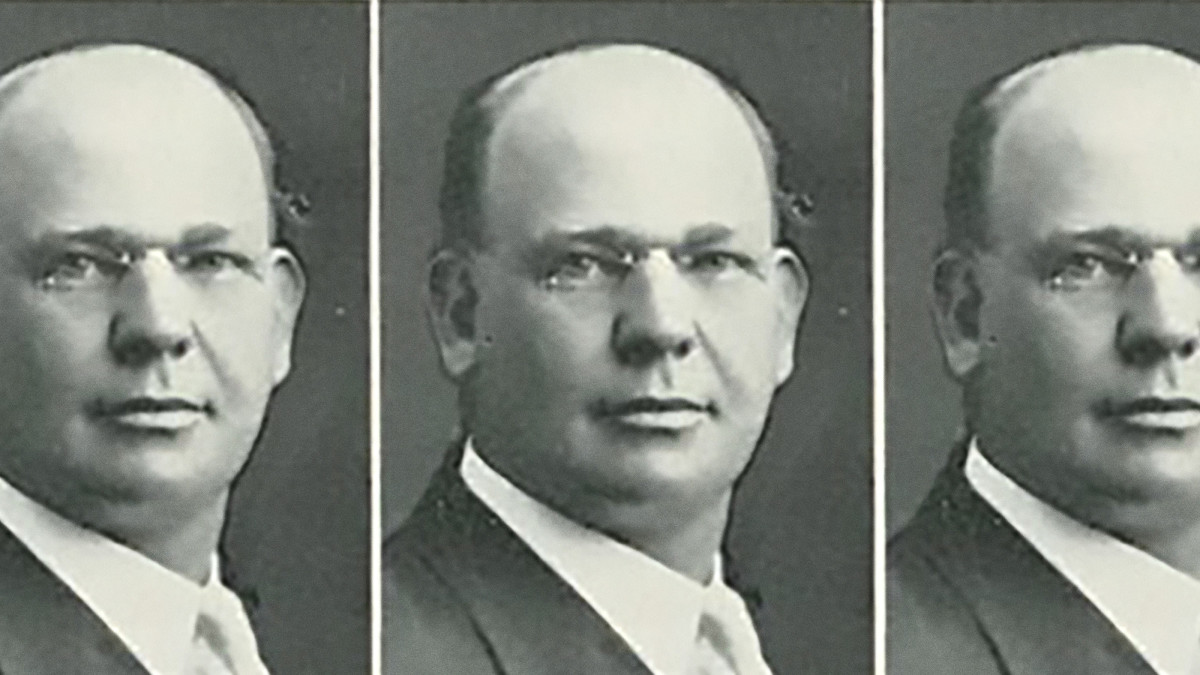
In the Minnesota District, Rev. Oscar Kalberg also started his superintendent role in 1925, after serving as chairman of the district board. His eight years were marked by at least 22 new churches, founding a senior living facility, a carefully crafted statement of the purpose and objectives of the district society, district support for a missionary in Venezuela and the start of a new ministry in North Dakota.
These two were among the first of over 150 men who have served EFCA districts as leaders in the last century. We praise God for our superintendents and their teams as they faithfully serve their churches and encourage new growth.
How long has it been since you wrote or called your district superintendent to thank him and pray for him?
Lead photo: Rev. Oscar Kalberg.
Earlier, in 1887, the Scandinavian Mission Society (SMS) of Minnesota was founded. It was a society of itinerant pastors and female evangelists that originally functioned slightly like a district. However, due to differences over leadership and organizational direction, the SMS increasingly was not in harmony with the Swedish Evangelical Free Church. Thus, in 1906 the Minnesota District Society was formed and the SMS eventually dissolved.
Send a Response
Share your thoughts with the author.