Together, Among the Giants
An EFCA district superintendent reflects on the pastoral discipleship trip of a lifetime.
I can’t believe we’re actually doing this.
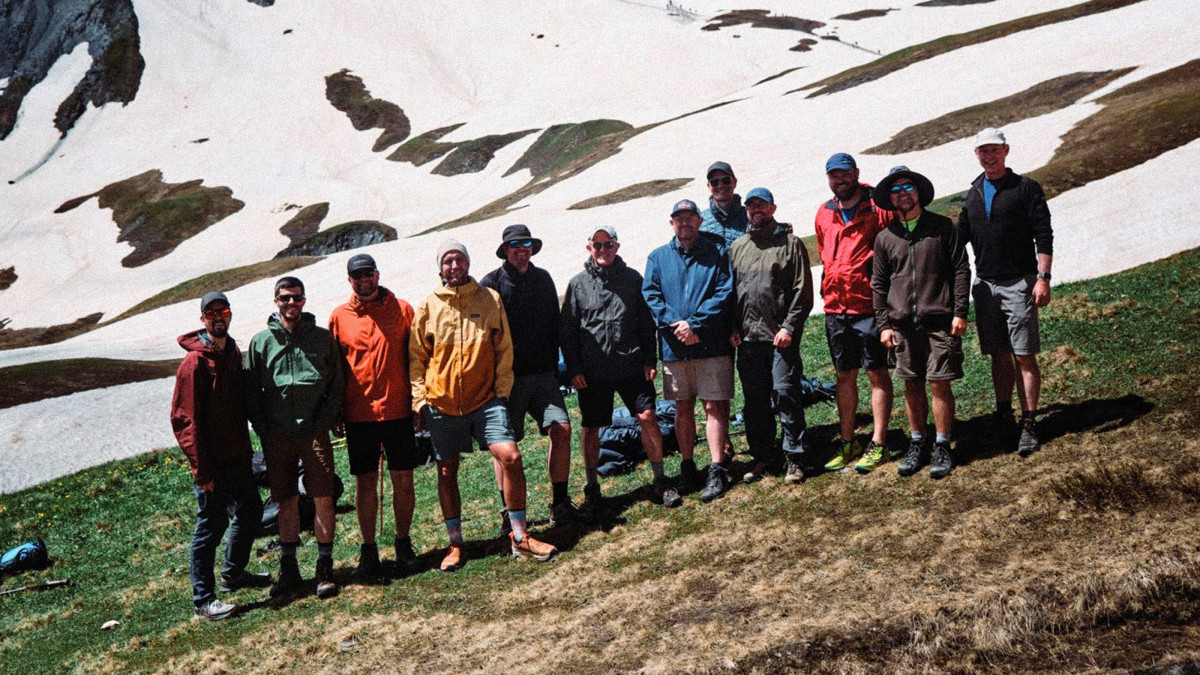
It was late June 2024. The mid-afternoon sun warmed my face as we walked along the narrow trail of the renowned Tour Du Mont Blanc (TMB), enveloped in every direction by breathtaking mountain vistas. The day’s journey had begun in an Italian valley, weaving us up and over a high mountain pass before dropping us into a small Swiss village—the moments in-between filled with conversation, laughter and stillness.
As an EFCA district superintendent with a heart for encouraging and shepherding pastors, walking alongside pastors is what I do—and this was the walk of a lifetime.
All of it in the company of fellow EFCA pastors.
In the summer of 2024, I was blessed to be part of what I often think of as “the pastoral discipleship trip of a lifetime.” Our group included 10 EFCA pastors, a TEDS church history professor and a ReachGlobal medical officer. Together, we spent two weeks exploring pastoral ministry against the backdrop of two sets of giants—the “Reformation Giants” of Calvin’s Geneva and the gigantic mountains of the TMB.
Like so many days along the trail, that warm June day was filled with challenge, relief, awe and joy. As we approached the hiker’s lodge—and our much-needed meal and shelter for the night—I knew deep in my soul that I would never forget our time together “among the giants.” As an EFCA district superintendent with a heart for encouraging and shepherding pastors, walking alongside pastors is what I do—and this was the walk of a lifetime.
Together in Calvin's Geneva and along the TMB
Our adventure began in Switzerland where—under the guidance of Dr. Scott Manetsch—we explored Calvin’s Geneva in search of wisdom for pastoral ministry. Like many of the pastors on this trip, I studied Church history with Dr. Manetsch during my time at TEDS. In seminary—and much to my surprise—I learned the giants of Church history had much to teach me about shepherding God’s people. While opinions differ on Calvin’s theology and legacy, most agree the major elements of pastoral life and ministry can be sharpened when viewed against the backdrop of the Protestant Reformation in Geneva. This is especially true when considering pastoral health, growth and fruit across a lifetime of ministry.
During the first part of our trip, we stayed at the Geneva Bible Institute. We listened to lectures from Dr. Manetsch and walked alongside him as we explored Geneva’s historic churches and streets. We wandered through the International Museum of the Reformation, ascended the tower of St. Pierre Cathedral where Calvin preached and walked the cobbled streets where he pastored. We learned much about pastoral training and the care of ministers within Calvin’s “company of pastors.”
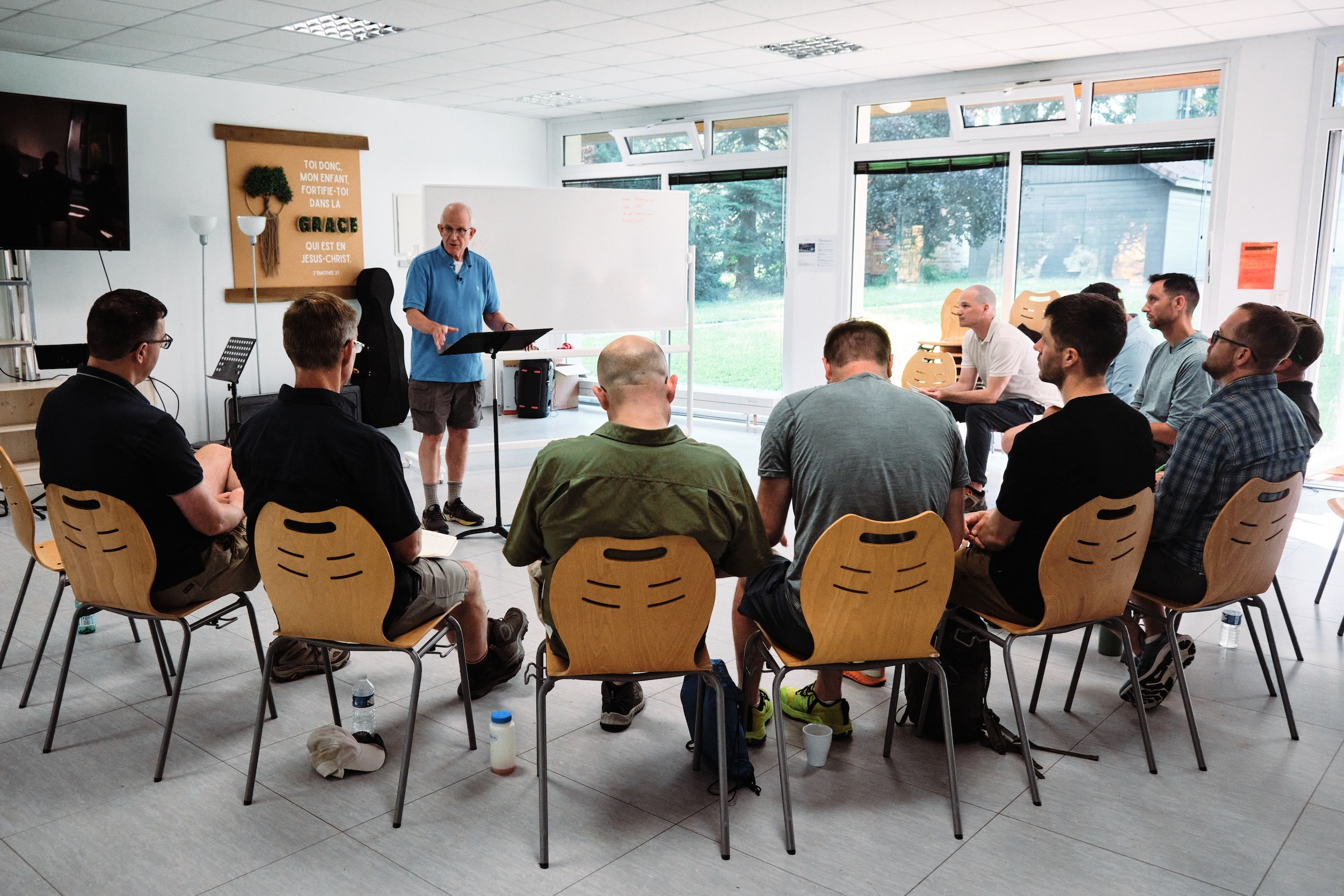
As we climbed the 157 narrow, spiraling steps of the cathedral tower and listened to story after story about pastoral training and care, I was struck by two seemingly conflicting thoughts. On one hand, the 16th-century world of this company of pastors seemed so very distant—and yet, the basics of their pastoral life felt so very familiar to each of us. They preached, counseled, cared, corrected, taught, trained, wept and sang—just like us. They were like a “Reformation era mirror,” helping us reflect afresh on pastoral ministry with our people, in our day, in our own places.
After a few days in Geneva, we set out for Chamonix, France, to begin our 11-day hike around Mont Blanc, the tallest peak in the Alps. On the short bus ride to the trailhead, the mixture of excitement and apprehension revealed our unspoken questions. Would we all finish the hike? Would anyone get injured? Would we even get along? Would it live up to our expectations? As it is with any hike, short or long, the only way to find out was to start walking.
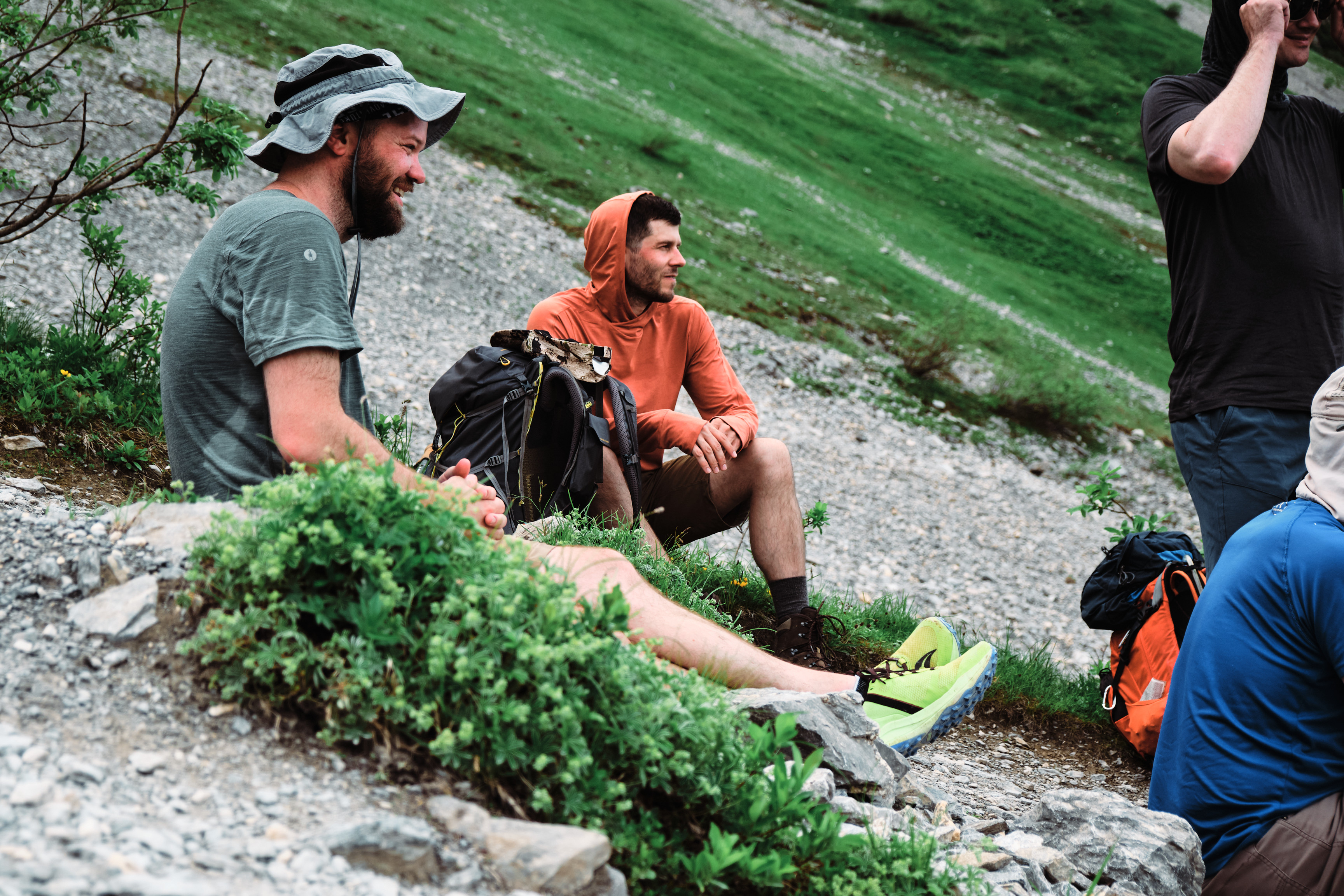
After that first grueling day, I’ll never forget sitting in that grassy meadow, discussing prayer and pastoral ministry among our own “company of pastors.” We were all physically spent. A part of each of us, I’m sure, wanted to simply lie down and rest until morning. But another part of us knew this discussion on prayer—hearing the wisdom of our brothers, wrestling with our own practice and priorities—was vital to the day’s calling.
I remember one pastor sharing about his struggle to find time to pray amid the pressing demands of ministry, another sharing answers to pastoral prayer, and all of us thinking aloud about how we might invest more time and energy into this simple practice that God has put at the center of all genuine Christian service. I am so thankful that we pressed on with our discussion. After all, we were in those mountains to grow in service toward Christ.
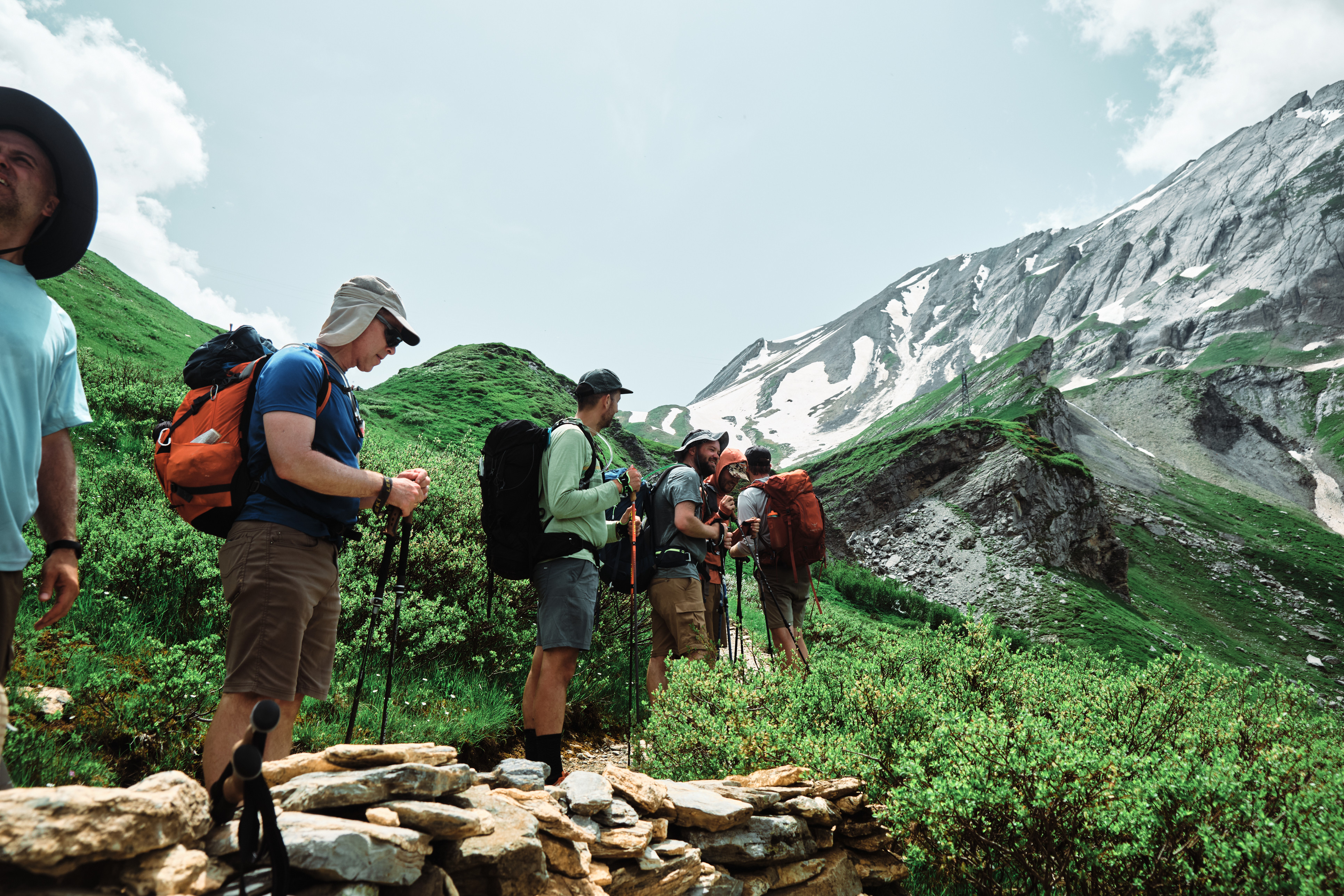
So it went, day after day. We crossed ice bridges over rushing waterfalls. We strapped crampons to our boots to traverse icy trails. We walked along mountain lakes and through mossy forests. And when the trail ran into a tall rock wall, we climbed iron ladders bolted to the mountains themselves. We stayed in everything from primitive mountain lodges (called “refuges” on the TMB) to beautiful village hotels. Most days on the trail would ascend and descend around 3,000 vertical feet.
For 11 days, we walked around that mountain. We ate together, hiked together, suffered the climbs, savored the vistas and recovered on the descents together. I can still feel the trail beneath my feet and the breeze at my back as I recall listening to those ahead and behind me share about raising up church leaders, preaching at funerals, practicing personal evangelism and navigating congregational conflict. Most of all, we thanked God for the opportunity to learn and grow alongside others who shared our calling.
After so many days of rich fellowship and unforgettable experiences, I felt both spent and full. In my experience, times like these allow for both deep reflection and genuine growth. When I think back on this trip of a lifetime, there are a few themes that stand out.
1. Strengthening our convictions and practices
During our trip, each of us grew in our biblical convictions and sharpened our pastoral practices. Each day brought a new opportunity to discuss a different component of pastoral ministry. One day, we shared about our ministry mentors; on another, we discussed the hard shepherding realities of church discipline. On one ascent, a group of us unpacked the future of pastoral training, and another brought all of us together for honest reflection on the challenge of pastoral longevity.
We learned again the axiom that all seasoned pastors know: pastoral ministry is best when it happens together; pastoral burdens are lighter when shared.
On the evening of one of those discussions—this time, on church discipline—we entered a crowded hiker’s lodge after a long day on the trail. It proved challenging to even find a place for the 12 of us to sit together. We finally found a spot near the entrance—not exactly ideal with so many people coming and going. Personally, I felt hesitant having such a sensitive conversation in a place that felt so public—and I knew I wasn’t alone. Still, we pressed forward, believing it was important to wrestle with the Bible’s good, hard teaching on shepherding in the toughest of situations.
Sometimes through hushed tones—and other times, maybe a bit too loudly (we are pastors, after all)—we navigated the nuances of the complex conversation. As different pastors shared their experiences and practices, I sensed myself growing as a Christian leader. This discussion—and a hundred others—functioned like an anvil that fortified our biblical commitments and a grindstone that honed our practice of pastoral ministry.
2. Building pastoral friendships
Many of us knew each other before the trip, but going in, I was hopeful our shared experience would deepen these friendships even further. In this area, our time together exceeded my expectations. We learned again the axiom that all seasoned pastors know: pastoral ministry is best when it happens together; pastoral burdens are lighter when shared.
Day by day, I watched the pastors grow more open with each other. At first, stories and sharing were more guarded. But as the trip progressed, the sharing expanded on top of newfound foundations of trust and friendship. I watched with joy as pastors found time along the trail or at meals to have personal conversations, to listen to calling stories, to share about their time in the trenches of church ministry.
In the two years since our adventure, from coffee shops to kitchen tables, I’ve personally experienced the blessing of closer relationships with all the men on this trip—and I’m confident these friendships will last. In vocational ministry, it’s tempting to isolate, to hide, to go it alone. This trip was a timely reminder for us that deep pastoral friendships are possible, necessary and available. And you don’t need to go all the way to Mont Blanc to find them (but, truth be told, a shared adventure like this really does help).
3. Bridging the gaps between rural, suburban and urban pastors
One of the surprises of the trip was the way it brought together pastors who live in very different ministry contexts. I wish I could say this was something I intentionally planned, but it wasn’t. In God’s good providence, our trip included pastors from urban, suburban and rural contexts. In our culture, people from these different places don’t often mix and tend to have conflicting perspectives. We noticed some of these differences within our group, too, but as the days passed, and the shared experiences began to stack, the gaps began to shrink, and genuine bonds began to form.
The churches that first came together to form the EFCA believed that pastors and congregations are “better together.” This trip helped me gain an even stronger taste for this.
In the years since the trip, the closeness has remained for many of us. I recently asked one of the rural pastors on the trip what stood out to him from our time together. He shared about his present-tense, life-giving friendship with a pastor who lives in the suburbs. He spoke of the real support and encouragement he continues to receive from this relationship, forged during our time together among the giants.
I can certainly relate. My ministry journey has taken me from pastoral ministry in a local Free Church on the central coast of California to district leadership in the “promised land of the EFCA” (Minnesota). Along the way, I've been blessed to form deep friendships with pastors and congregations in so many different places. I often wish every pastor could get a taste of district ministry, where in the same week you might preach in a large suburban congregation, meet with elders in a quiet rural town and share a cup of coffee with an urban pastor in the heart of the city. These ministry experiences—and this trip—remind me that the gospel brings together the people that our world says should stay apart.
Growing together on the pastoral discipleship trip of a lifetime
As I look back at the summer of 2024, I’m filled with gratitude for this wonderful experience. I never could’ve imagined how God would use this trip to bless me. My heart is full.
Today, when I look around our corner of the EFCA, I marvel at the way these pastors love one another, serve together and invest in our broader district family. The churches that first came together to form the EFCA believed that pastors and congregations are “better together.” This trip helped me gain an even stronger taste for this and reminded me that our districts are intended to nurture relationships among pastors, church leaders and churches.
And when I look forward, with a holy expectation born out of God’s faithfulness, I’m filled with confidence in how the Lord will use these pastors, so many like them and others yet trained, to shepherd gospel-shaped congregations with humility, faith and boldness in Christ.
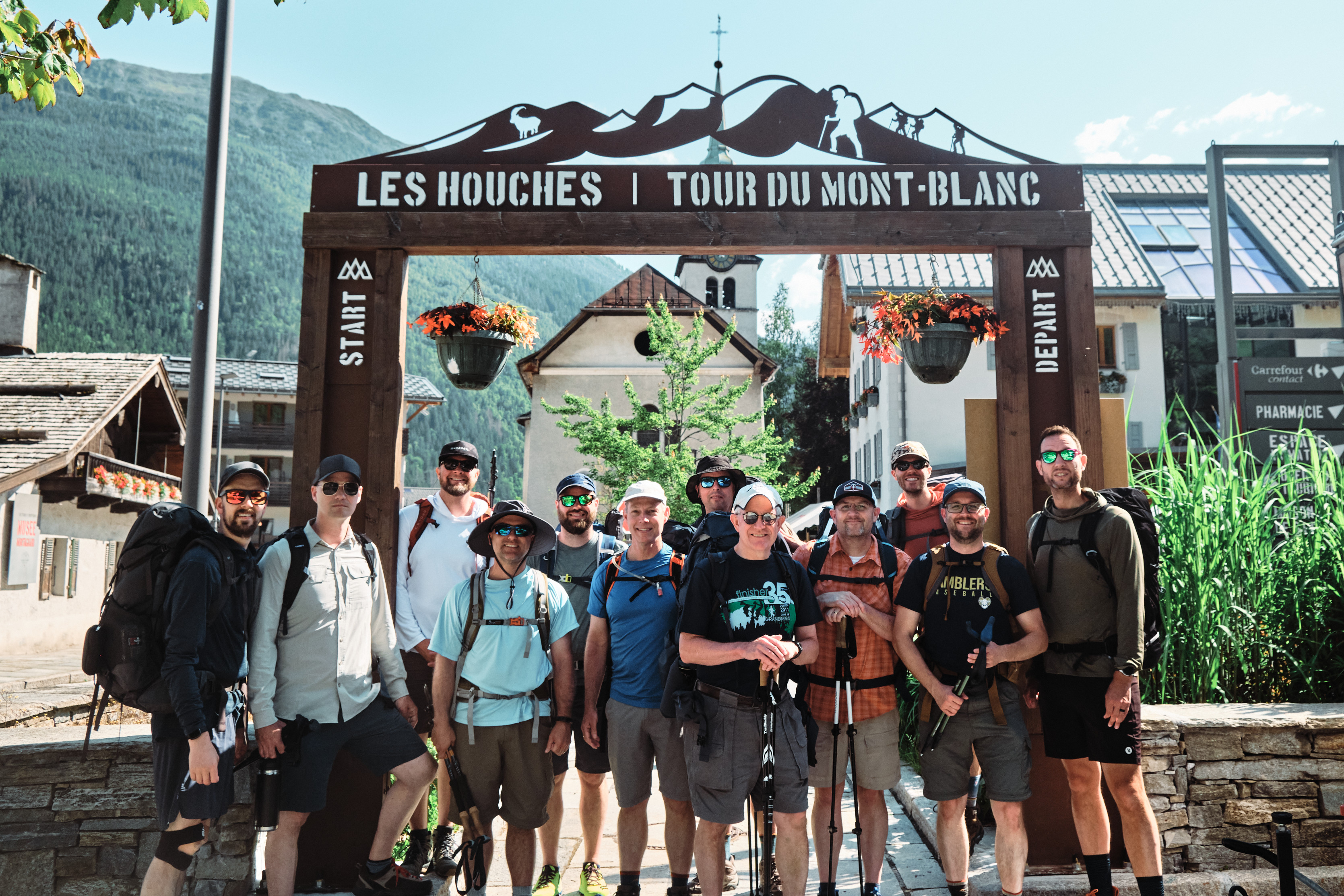
All photos taken by John Stromberg, lead pastor at Elmwood Church (EFCA) in St. Anthony Village, Minnesota.
Send a Response
Share your thoughts with the author.