Your Church Is the Community Center
One EFCA church is redefining community outreach—And yours can, too.
“I’m a Jesus-loving car guy,” says Scott Longstreet. One Sunday, after attending Valley Church (EFCA) in West Des Moines, Iowa, for a few months, Scott was walking out to the parking lot and had an inspiration: this would be a great place for a car show. “I could just see the whole place filled with cars,” he says.
He took the idea to Pastor Quintin Stieff, who immediately agreed. Scott was taken aback. “In my previous church, nothing happened without going through a lot of channels. Nobody moved a chair without getting permission from someone else.”
In 2013, Valley built a 29,000-square-foot community center as a gift to Des Moines. But that was just a natural extension of their DNA: Valley Church was already operating as a community center.
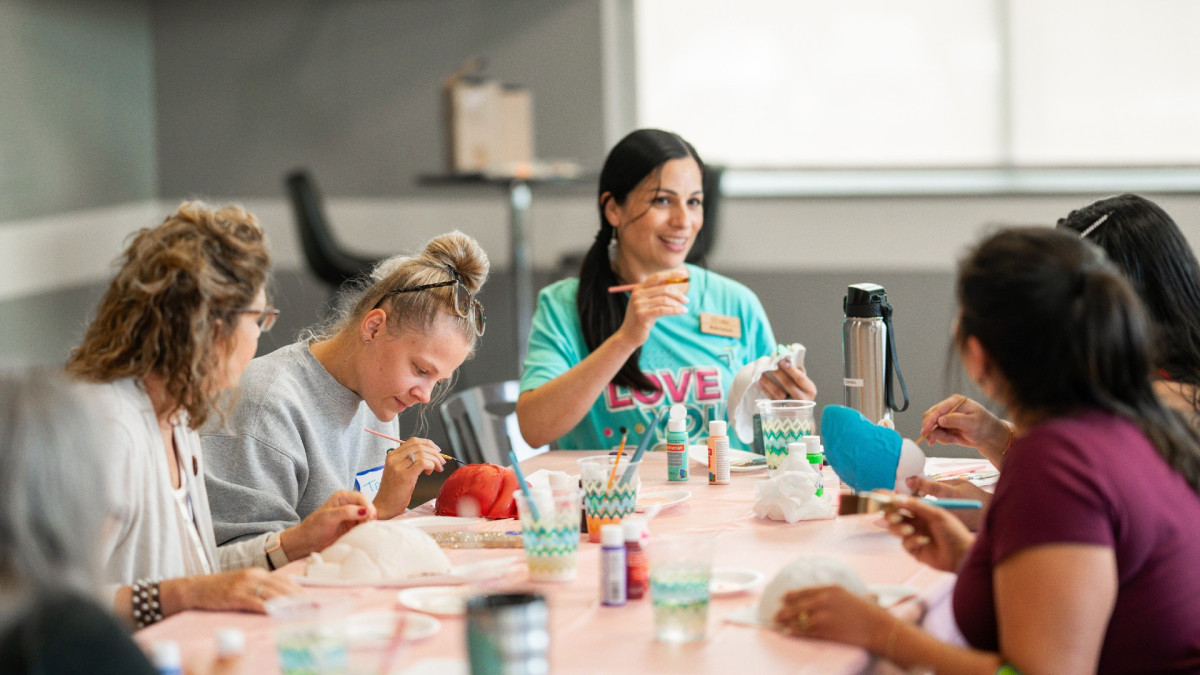
Scott soon realized his request was commonplace at Valley Church––in fact, it is its heart. When Valley says their purpose is to “Mobilize everyone’s God-given potential to deeply love Christ and their neighbors,” they mean it. They see their facility and their work as an expression of the Church’s highest calling. If you check out Valley’s events calendar, you’ll see it includes a breathtaking plethora of choices: coffee and connect for foster and adoptive moms, Movie Mondays, knitting club, card-playing group, support groups for special needs families, and a 8.5-acre farm for refugee families (and a Sunday farmers’ market to sell their produce).
In 2013, Valley built a 29,000-square-foot community center as a gift to Des Moines. But that was just a natural extension of their DNA: Valley Church was already operating as a community center.
Growing insiders and reaching outsiders
Quintin Stieff was called to plant Valley in 1990. Someone told him, “You would make a great missionary,” and his response was, “Isn’t that what I’m doing? Isn’t that what church planting is?” From the beginning, he instilled a core value to “grow insiders and reach outsiders.” He saw both as equally important.
Most churches would agree. But Quintin points out that often church leaders assume that if they just help attenders grow in Christ, they will naturally reach out to others. That doesn’t usually happen. In fact, maturing in Christ often takes people away from their non-Christian friends. It’s very easy for Christians to become insulated and then church growth mainly happens through transfers from other churches.
Quintin doesn’t advocate for a “seeker-sensitive” mentality either, which can sometimes water down the gospel. He preaches expositionally, and Valley promotes theology classes. Instead, Quintin’s perspective is influenced by his Roman Catholic upbringing, which taught him the parish mindset. “We’re not just responsible for the spiritual well-being of our church members,” he says, “but of our whole community.”
Quintin looks to Titus 3:1-2 as a model of how to be a Christian in a non-Christian culture: “Remind them to be submissive to rulers and authorities, to be obedient, to be ready for every good work, to speak evil of no one, to avoid quarreling, to be gentle, and to show perfect courtesy toward all people.”
He explains: “We’re not meant to be political revolutionaries. We’re to follow Jesus. Be good citizens. Avoid slander and bad-mouthing others. Be ready for every good work. We’re not fighters; we’re lovers and peacemakers. Kindness is compassion in action.”
Passionate about micro-outreach
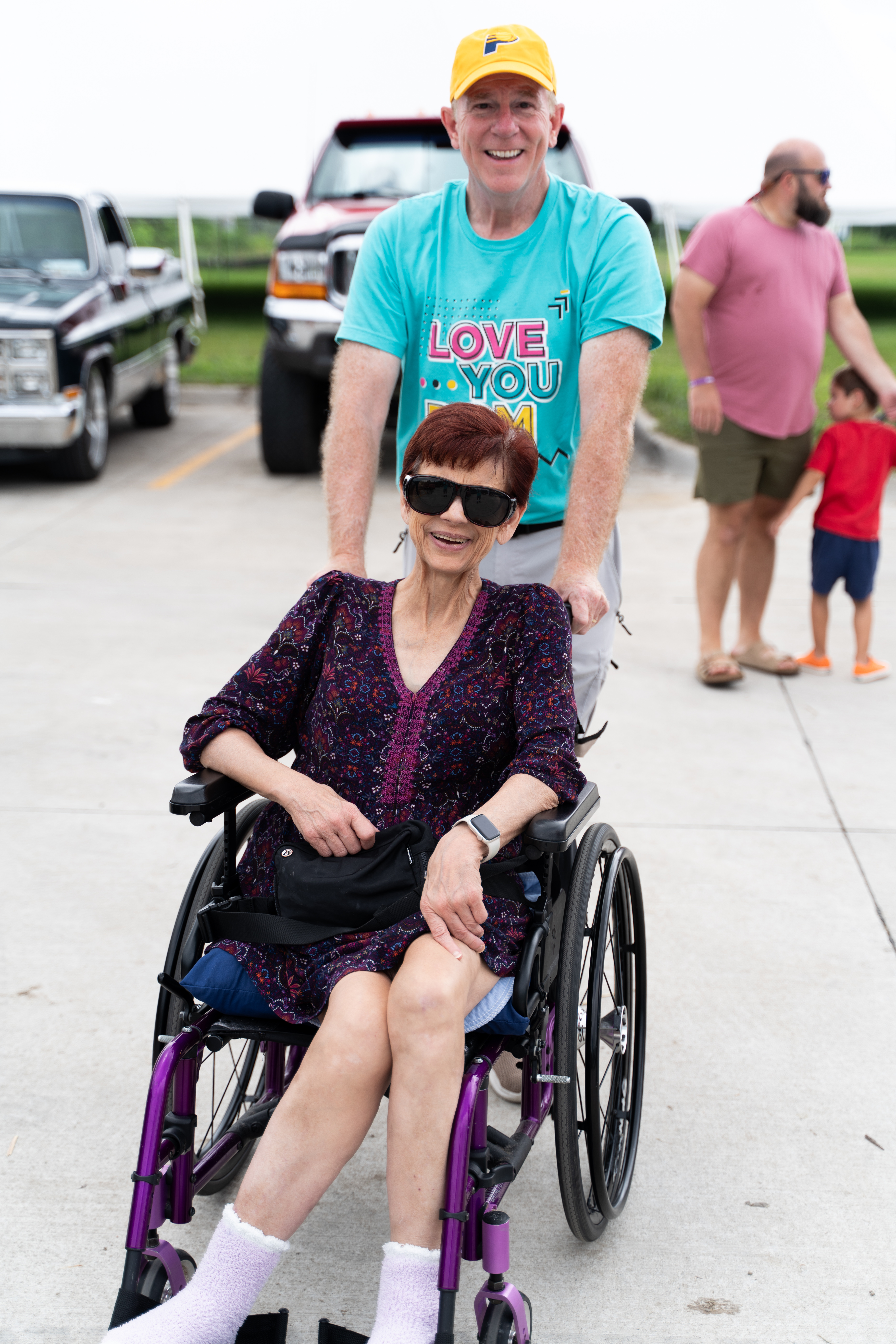
Valley explores every possible way to do good works in their community. Besides the regular activities advertised all year, they also put on an annual, 10-day event called “Love You Des Moines Days” each summer, where activities are offered all day long, ranging from calligraphy and pickleball to bingo and cloth diapering classes. Members of Valley Church are encouraged to offer activities that correspond with their passions and gifts.
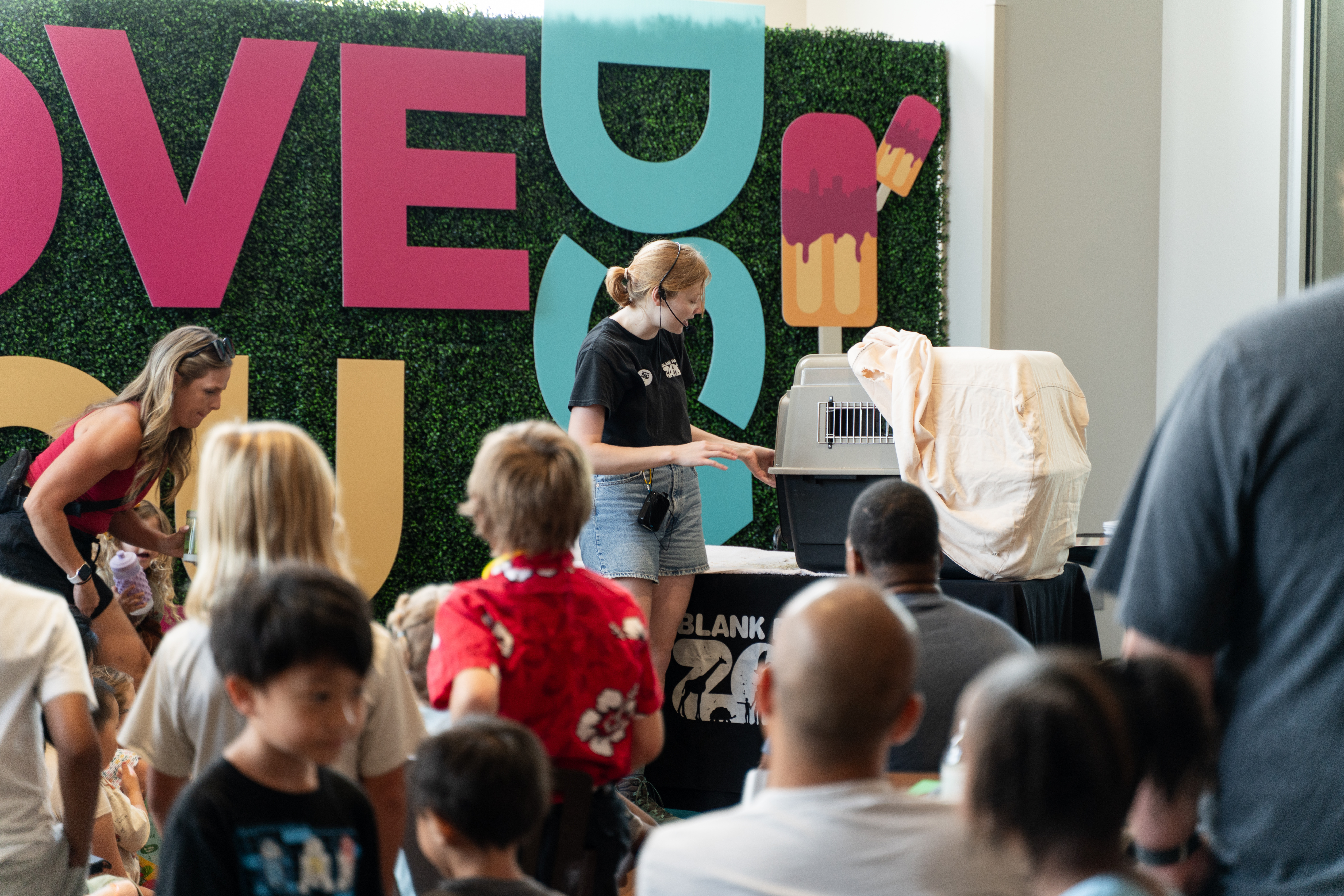
More than 14,000 people attended Love You Des Moines Days in 2025. But the purpose is not just about welcoming visitors; it’s about training church members––who volunteer more than 2,000 hours for this event— how to do outreach.
Quintin explains, “The purpose of a big church event cannot just be to satisfy our guilt quotient—We did that, so we’re good now!” Big events can introduce people to the church and build goodwill in the community. But it can also give church members a model of outreach for the rest of the year. The event is not an end in itself. It’s just the beginning.
Love You Des Moines Days helps Valley leadership discover gifts in their congregation. Then churchgoers are trained and directed to reach out in their own neighborhoods and workplace communities. Valley wants churchgoers to see, “Oh, I could do this same outreach in my own neighborhood or my coffee shop!” They call it “micro outreach.”
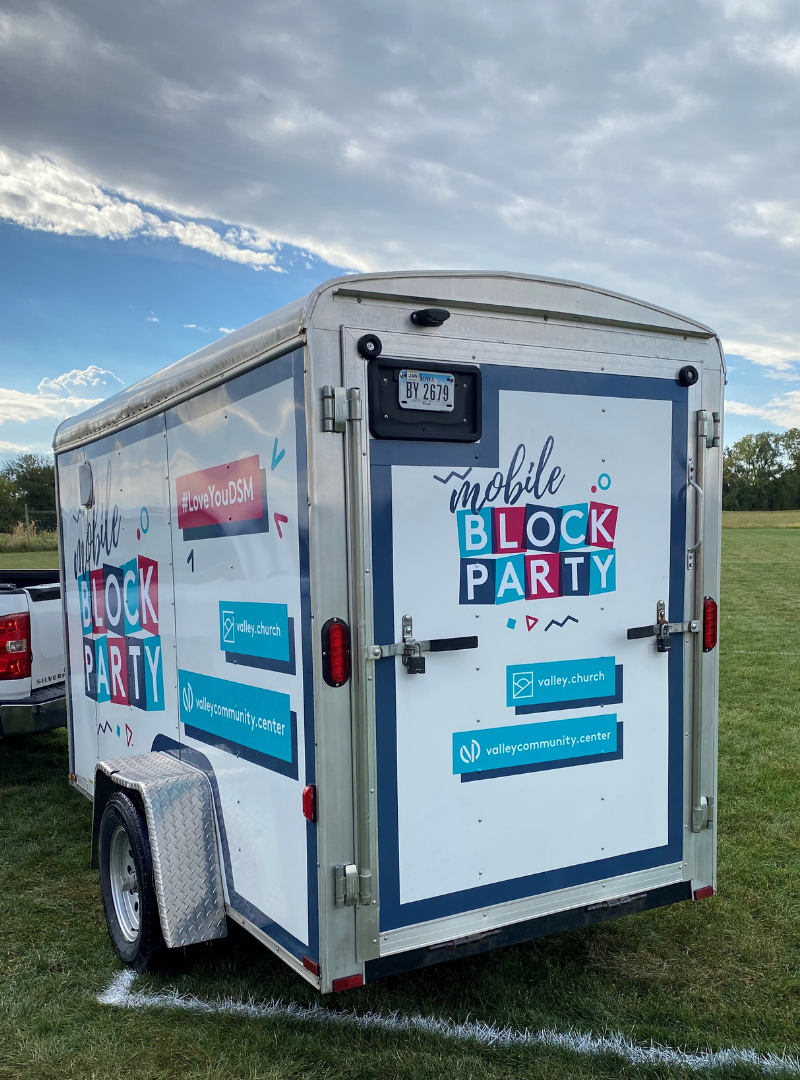
That’s why Valley Church has stocked a “Block Party Trailer” with inflatables, yard games and a blow-up movie screen that any church member can borrow for free. Valley’s name doesn’t appear anywhere on the trailer, but an average of 50 people attend these block parties and someone inevitably asks, “Where did you get all this stuff?” When the hosts explain that their church makes it available, they have an opportunity to say, “Jesus said to love our neighbors, and we can’t think of a better way to love our neighbors than to have a block party!”
Next steps are always the focus. Any outreach, whether big or micro, isn’t about checking a box for a good deed. Valley coaches members to approach every event with a “next steps” mentality. Can they invite this person to church or to Alpha (an evangelistic Bible study)? Or maybe it’s just meeting again for coffee. The goal is always relationships.
It’s all about experimenting
A big reason their strategy works is because Valley has developed a culture of experimentation. Ali Fairchild is Valley’s director of community bridges. She explains, “The word ‘experiment’ is very fundamental to who we are. [For years], all we’ve been doing is experimenting—trying things and learning and growing along the way. We will never stop experimenting!” Sometimes things don’t work as expected, and that’s okay. They don’t pretend to be experts at everything they try. “If we are experts at anything, it’s authentically expressing love to our neighbors, which is why I think we have been so successful,” Ali says. She has seen hundreds of lives changed.
This is why, when Scott Longstreet called Quintin with his idea for a car show, he immediately received an enthusiastic, “Yes.” Scott started small, but other volunteers got on board, and 10 years later, it’s an extremely successful annual event. This year, more than 5,000 people attended, more than 500 cars were on display and 1,300 people ate free barbecue (prepared by another outreach team, the “Valley Pitmasters”). The campus buzzed with music, prizes and kids’ games.
“We don’t have a banner out that says ‘John 3:16,’ and we’re not on the microphone giving an altar call,” says Scott. “But people always ask, ‘Why do you do this for free?’ That opens the door. We love people. We love Des Moines. We want to share God’s love with you.”
Scott led two different people to Christ because of the car show. The event was the door opener for Scott to get to know them; their mutual love of cars started the relationship. Scott's atheist college roommate once challenged him, “If you loved Jesus, you would sell [the car he was rebuilding] and become a missionary in Africa.” That really troubled him, until he realized that God was calling him to stay and serve Him right where he was. Today, he goes to lunch every day with a different guy, and almost all of those relationships are car-related. Some already know Jesus, and some don’t; there are two men with whom he is currently sharing the gospel. Scott says he’s realized, “Whatever God made you good at, He can use that for His glory. It doesn’t have to be a showy gift; one gift isn’t more important than another. Find out what your gift is and use it.”
Your church already has everything it needs to love its neighbors—starting with you. A next step could look like talking to your pastor, starting a class for your community or simply inviting someone to lunch.
Ali Fairchild says the same thing: “Just start! Your community needs you right now—not tomorrow, next week, next month or next year. It can be tempting to wait until our ideas are more thought through, plans are solidified, etc., but these things really don’t matter to your neighbors who are eager for you to reach out to them with an invitation. What can you do today? Do that.”
In an article titled, “Want people to go to Church? Invite them. Want them to stay? Invite them into your life.” Stiven Peter wrote, “The Church’s task…is not to simply integrate itself with modern American life, marketing itself as one lifestyle choice among many. Nor is it to retreat from the world. The Church’s call is to repair the remains of modern life. The U.S. is aching for a different way of life. Only the Church can offer that alternative…The Church must see itself as the source and center of cultural renewal…Consequently, the Church should think of cultural engagement less through cognitive, propositional, and “winsome” terms, and more towards an approach that prioritizes making Church essential to communal life. The Church that hosts community fairs and car shows is doing cultural repair…The Church that has its families cheerfully open their homes cultivates commitment to one another through thick and thin is conducting a cultural insurgency.”
Every year, more than 200,000 people use Valley Church’s community center and attend outreach programs. For a church that averages around 3,000 attenders, that’s extraordinary. But Pastor Quintin insists that any church can have a community center mindset, regardless of its size or facilities. “The reason you live where you live is for you to love where you live,” he insists. “We aren’t saved by good works, but we should adorn the gospel in good works.” Your church already has everything it needs to love its neighbors—starting with you. A next step could look like talking to your pastor, starting a class for your community or simply inviting someone to lunch.
Don’t overthink it—just start!
Send a Response
Share your thoughts with the author.